Can Sudafed Help Blocked Ears? Relief for Ear Congestion and Pressure
That “underwater” feeling in your ears can be frustrating—especially when it shows up with a cold, allergies, or after a flight. A common question is: Can Sudafed help blocked ears? The most accurate answer is that Sudafed may help some cases of ear pressure caused by nasal congestion and Eustachian tube dysfunction, but it is not a fix for all “blocked ear” problems.
Think of the Eustachian tube—the pressure-equalizing tube/channel that connects the middle ear to the back of the nose—as a small doorway. When the lining is swollen from a cold or allergies, that doorway doesn’t open well, pressure can’t equalize, and the ear can feel full or muffled.
Medical note: This article is for general education and doesn’t replace personalized medical advice. If you have severe symptoms or medical conditions, check with a clinician or pharmacist.
Quick Answer (What most people want to know)
- Yes—sometimes, for adults. Sudafed for blocked ears may provide modest, short-term relief when ear fullness/pressure is caused by temporary nasal congestion that contributes to Eustachian tube dysfunction (ETD). Evidence supports a plausible mechanism, but benefits are often limited. [2–4]
- No—not reliably for persistent “fluid behind the eardrum.” If the main issue is otitis media with effusion (OME)—fluid in the middle ear that lingers—oral decongestants generally don’t reliably clear it, and routine use in children for OME is not recommended. [1]
- Safety matters. Pseudoephedrine can raise heart rate and blood pressure and may be unsafe with certain conditions or medications. [5–7]
- For a deeper overview of ETD, see our guide on Eustachian tube dysfunction symptoms and treatment options: https://sleepandsinuscenters.com/blog/eustachian-tube-dysfunction-symptoms-causes-effective-treatment-options
*In short, Sudafed may ease ear pressure from nasal congestion in some adults, but it is not a universal solution for “blocked ears.”*
What “Blocked Ears” Feels Like (Symptoms)
Common symptoms people describe
- Fullness or pressure (like you can’t “pop” your ears)
- Muffled or reduced hearing, “underwater” sound
- Popping, clicking, or crackling
- Pressure changes when swallowing or yawning
- Mild pain, especially during altitude changes (flying or mountain drives)
A common real-life example: you feel fine at rest, but the moment you swallow or yawn you notice a faint crackle—like bubble wrap—followed by brief relief that quickly returns.
Symptoms that suggest you should seek care sooner (red flags)
It’s reasonable to seek assessment sooner if there is:
- Severe ear pain, fever, or ear drainage
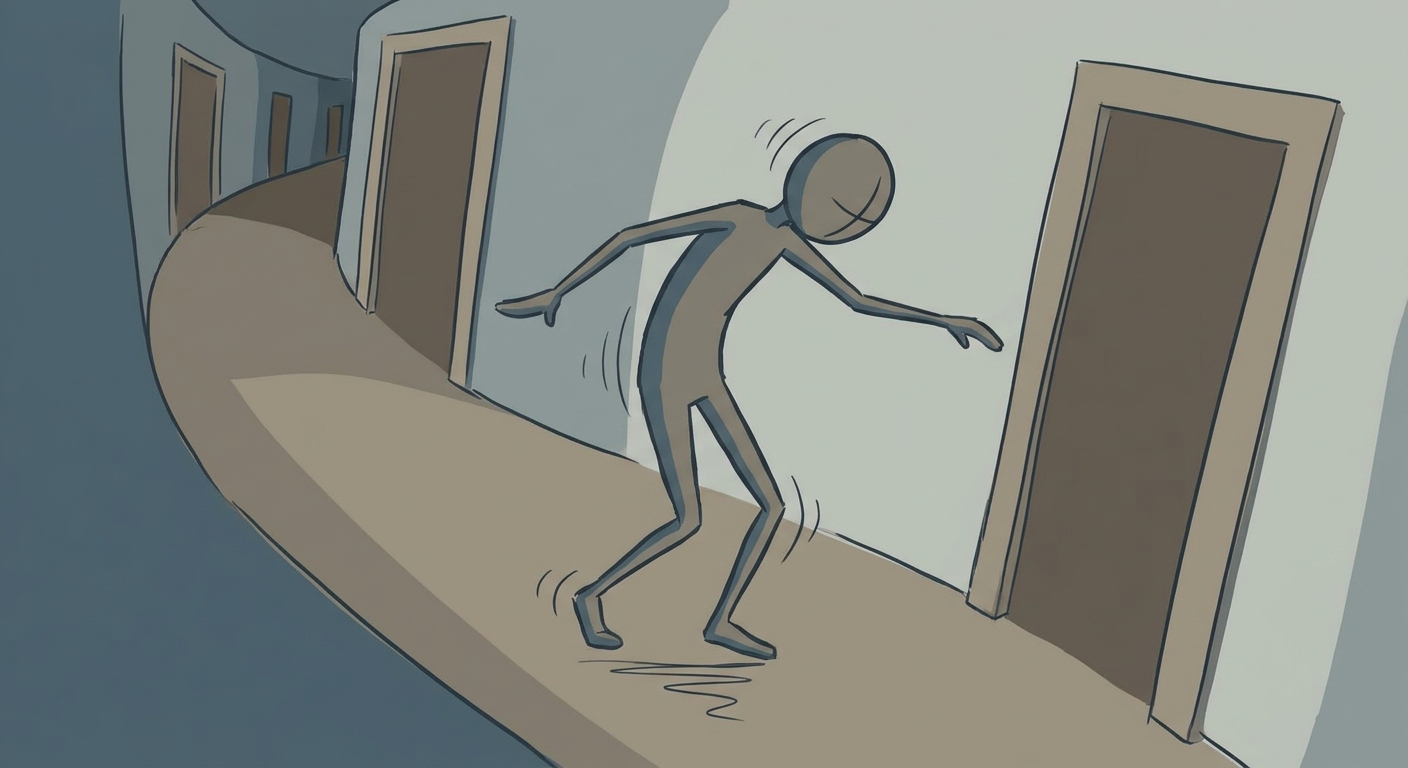
- Sudden hearing loss, one-sided hearing loss, or significant dizziness/vertigo
- Worsening symptoms over several days
- Symptoms lasting more than 1–2 weeks or that keep returning
*If symptoms are severe, one-sided, or persist beyond a couple of weeks, getting evaluated can help you match the right treatment to the cause.*

Why Ears Get Congested (Causes)
Eustachian tube dysfunction (ETD)—the most common “pressure” cause
The Eustachian tube equalizes pressure between the middle ear and the outside world. When it can’t open well—often due to swelling from a cold, allergies, or sinus congestion—pressure can build up, causing fullness and muffled hearing. [3,4]
- Learn more: Eustachian tube dysfunction symptoms, causes, and treatment options: https://sleepandsinuscenters.com/blog/eustachian-tube-dysfunction-symptoms-causes-effective-treatment-options
Middle-ear fluid (Otitis Media with Effusion / “fluid behind the eardrum”)
Sometimes fluid remains in the middle ear after a cold or ear infection. This can cause prolonged fullness and muffled hearing even after nasal symptoms improve. It can last for weeks and won’t reliably clear with oral decongestants alone.
Other common causes Sudafed won’t fix
Not all clogged ears are from congestion. Sudafed for blocked ears is unlikely to help if the cause is:
- Earwax blockage
- Acute ear infection or swimmer’s ear
- Barotrauma (pressure injury after flying/diving)
- Jaw/TMJ-related pressure sensations
*Because treatments differ by cause, identifying the underlying issue is key before relying on decongestants.*

How Sudafed Works (And Why It Might Affect Ear Pressure)
What pseudoephedrine actually does
Sudafed’s common active ingredient, pseudoephedrine, is an oral decongestant. It shrinks swollen nasal tissues by stimulating adrenergic receptors, reducing blood flow in the nasal lining. Less swelling can sometimes help the Eustachian tube open more easily, improving pressure equalization. [3,4]
What research suggests (realistic expectations)
- Physiology/mechanism: Experimental work shows pseudoephedrine can affect middle-ear mucosa and gas exchange in ways consistent with decongestant effects, supporting a plausible pathway for some pressure relief. [2]
- Clinical outcomes: Strong evidence for large, sustained improvement—especially for persistent middle-ear fluid—is lacking, and pediatric studies do not support routine use for OME. [1]
*Mechanistically, pseudoephedrine can reduce congestion and may help ETD-related pressure, but evidence for clearing persistent middle-ear fluid is limited.*
When Sudafed Is Most Likely to Help (And When It’s Not)
More likely to help (short-term, symptom-focused)
Pseudoephedrine may be more likely to provide some relief when:
- An adult has a cold or allergy flare plus ear pressure/fullness
- Ear pressure changes with swallowing/yawning (suggesting ETD)
- You’re trying to reduce the risk of “airplane ear” when traveling while congested (timing matters)
- Travel tips: Ear barotrauma prevention strategies for flyers and divers: https://sleepandsinuscenters.com/blog/ear-barotrauma-prevention-tips-how-to-protect-your-ears-during-pressure-changes
Less likely to help (or could delay correct treatment)
Sudafed is less likely to help when:
- Earwax is blocking the ear canal
- There’s an ear infection with fever, significant pain, or drainage
- Persistent fluid/OME has been present for weeks
- Structural or chronic ETD issues are involved
*Many adults find pseudoephedrine takes the “edge off” ETD-related pressure, but it won’t fix wax, infection, or long-standing fluid.*

How to Get Relief Without Medication First (Conservative Maneuvers)
Pressure-equalizing techniques (gentle)
- Swallowing, yawning, chewing gum, sipping water
- Gentle Valsalva (lightly blowing against a pinched nose) or Toynbee maneuver (swallowing with the nose pinched)
- If pain increases, stop and retry later more gently
Reduce nasal inflammation to help the Eustachian tube
- Saline spray or saline rinse
- Trigger avoidance if allergies are involved
- Humidification/steam for comfort (effects vary)
- More tips: Ear congestion causes and relief: https://sleepandsinuscenters.com/blog/ear-congestion-causes-and-relief-effective-tips-to-clear-blocked-ears
*Gentle pressure-equalizing plus nasal care often helps short-term ETD symptoms without medication.*

If You Do Use Sudafed: Practical & Safety Guidance
Who should not take pseudoephedrine (or should ask a clinician first)
Pseudoephedrine may be inappropriate—or require extra caution—for people with:
- Uncontrolled high blood pressure or significant heart disease/arrhythmias
- Hyperthyroidism or glaucoma
- Enlarged prostate/urinary retention risk
- Recent MAOI use (important interaction)
- Pregnancy/breastfeeding considerations
These cautions are reflected in major drug references and labeling. [5–7]
Common side effects to watch for
- Insomnia, jitteriness, anxiety
- Fast heart rate/palpitations, increased blood pressure
- Headache, dry mouth [5–7]
Tip: Avoid late-day dosing if it disrupts sleep, and be cautious with caffeine/other stimulants.
“Sudafed” vs “Sudafed PE” (and country differences)
- In many countries, “Sudafed” brand contents vary by product line and regulation. In the U.S., behind-the-counter “Sudafed” usually contains pseudoephedrine, while “Sudafed PE” contains phenylephrine.
- Oral phenylephrine is generally less effective than pseudoephedrine for nasal decongestion, so results may differ between products.
- If “Sudafed didn’t work,” check which active ingredient you took—products are not interchangeable.
Safe-use tips
- Follow package directions; do not exceed recommended amounts.
- Avoid doubling up on decongestants in multi-symptom products.
- Consider avoiding evening doses to protect sleep.
- Ask a clinician or pharmacist if you take blood pressure medicines, stimulants, or have chronic conditions.
*Use pseudoephedrine carefully, confirm the active ingredient on the label, and check with a clinician or pharmacist if you have health conditions or take other medications.*

Better Treatment Matches by Cause (What an ENT may recommend)
If allergies are driving congestion
- Trigger avoidance and targeted allergy management
- Intranasal steroid sprays for ongoing inflammation control (often more useful long term than repeated oral decongestants) [3,4]
- Learn about ETD and inflammation control options: https://sleepandsinuscenters.com/blog/eustachian-tube-dysfunction-symptoms-causes-effective-treatment-options
If there’s persistent middle-ear fluid (OME)
- Watchful waiting can be appropriate in some cases
- Hearing evaluation if symptoms persist or affect daily life
- Further evaluation for adults with persistent one-sided fluid, with discussion of procedural options in selected cases
- Expectation-setting matters: persistent fluid often does not “dry up” with decongestants alone
If wax is the issue
- Safe softening and in-office removal are often preferred over inserting objects into the ear canal
- Hearing that changes after water exposure or ear tugging can occur with wax, but only an exam can confirm it
If it’s barotrauma/flying-related
- A prevention plan can help: start gentle equalizing early during ascent/descent and avoid flying when severely congested if possible
- Prevention tips for flyers and divers: https://sleepandsinuscenters.com/blog/ear-barotrauma-prevention-tips-how-to-protect-your-ears-during-pressure-changes
*Matching treatment to the true cause—rather than repeating decongestants—usually leads to faster, more reliable relief.*
Lifestyle Tips to Prevent Ear Pressure from Coming Back
During colds/allergy season
- Stay hydrated and prioritize sleep
- Avoid irritants like smoke and strong fragrances
- Use saline routinely during symptomatic periods
- Treat allergies proactively—especially before travel—when ETD is a recurring pattern [3,4]
- Daily-practice tips for ear congestion: https://sleepandsinuscenters.com/blog/ear-congestion-causes-and-relief-effective-tips-to-clear-blocked-ears
Travel tips (flying/driving mountains)
- Begin pressure-equalizing early during ascent and descent; don’t wait until severe pressure builds
- If “airplane ear” happens frequently, discuss prevention strategies with a clinician
*Planning ahead for allergy seasons and travel can reduce ETD flare-ups and recurring ear pressure.*
FAQs
Can Sudafed “drain fluid” behind the eardrum?
Sometimes it may ease pressure from congestion-related ETD in adults, but evidence does not show reliable clearance of persistent middle-ear fluid—especially in children. [1,3,4]
How long does Sudafed take to work for ear pressure?
Pseudoephedrine may reduce nasal congestion within hours. If it helps ear pressure, relief is often modest and temporary, which fits how ETD behaves. [3,4]
Is Sudafed good for an ear infection?
Decongestants don’t treat infection. Fever, drainage, severe pain, or worsening symptoms are common reasons to seek evaluation.
Can children take Sudafed for blocked ears?
Routine use in children for OME is not supported by evidence, and side effects are a concern; discuss options with a pediatric clinician or ENT. [1]
Can I take Sudafed if I have high blood pressure?
Pseudoephedrine can raise blood pressure and may not be appropriate depending on overall health and control. Check with a clinician or pharmacist. [5–7]
What should I do if my ear pressure won’t go away?
If symptoms last beyond 1–2 weeks, are severe, one-sided, worsening, or associated with fever, drainage, sudden hearing loss, or vertigo, an evaluation can help identify the cause and guide treatment. [3,4]
When to See an ENT (Clear Call to Action)
Consider an ENT evaluation for:
- Persistent ear fullness or muffled hearing
- Frequent recurrences
- Significant pain, drainage, dizziness, or hearing changes
- Concern for fluid, chronic ETD, or complications
Schedule an evaluation with Sleep and Sinus Centers of Georgia: https://sleepandsinuscenters.com/appointments. If your symptoms have lingered or you’re not sure what’s causing the blockage, a focused exam can help confirm the cause and tailor a plan.
*When ear pressure is persistent or complicated, a targeted ENT evaluation is the fastest path to answers and relief.*
References
1. Griffin G, et al. Antihistamines and/or decongestants for otitis media with effusion (OME) in children. (2011). https://pmc.ncbi.nlm.nih.gov/articles/PMC7170417/
2. Teixeira MS, et al. Oral pseudoephedrine decreases the rate of trans-mucosal nitrous oxide exchange for the middle ear. (2015). https://pmc.ncbi.nlm.nih.gov/articles/PMC4546852/
3. Chelsea & Westminster Hospital (NHS). Eustachian tube dysfunction (patient leaflet). https://www.chelwest.nhs.uk/your-visit/patient-leaflets/ent-audiology/eustachian-tube-dysfunction
4. Patient.info. Eustachian tube dysfunction (updated Sept 2024). https://patient.info/ears-nose-throat-mouth/earache-ear-pain/eustachian-tube-dysfunction
5. Cleveland Clinic. Pseudoephedrine capsules and tablets (drug info). https://my.clevelandclinic.org/health/drugs/20768-pseudoephedrine-capsules-and-tablets
6. FDA label (pseudoephedrine). https://www.accessdata.fda.gov/drugsatfda_docs/label/2017/022442s009lbl.pdf
7. MedlinePlus. Pseudoephedrine. https://medlineplus.gov/druginfo/meds/a682619.html
“This article is for educational purposes only and is not medical advice. Please consult a qualified healthcare provider for diagnosis and treatment.”
Talk with a Georgia ENT
If you're dealing with ongoing ear symptoms, the board-certified ENT team at Sleep and Sinus Centers of Georgia can help — with offices in Lawrenceville, Athens, and Braselton. Learn more about our ENT specialists, or request an appointment.
Don’t let allergies slow you down. Schedule a comprehensive ENT and allergy evaluation at Sleep and Sinus Centers of Georgia. We’re here to find your triggers and guide you toward lasting relief.