How ENT Doctors Remove Nasal Polyps: What to Expect from Surgical and Office-Based Removal
Have you been told you have nasal polyps? You’re not alone—millions of people worldwide develop these soft, painless growths in their nasal passages or sinuses. While nasal polyps are usually benign (non-cancerous), they can cause persistent stuffiness, difficulty breathing, ongoing sinus infections, and even a loss of smell. For many, removing nasal polyps is the most effective way to find lasting relief. In this article, we’ll walk you through the common approaches ENT (ear, nose, and throat) specialists take for nasal polyp removal—including both surgical and in-office procedures—so you can feel informed and confident about your options.
Understanding Nasal Polyps
What Are Nasal Polyps?
Nasal polyps are soft, jelly-like swellings that arise from the lining of your nose or sinuses. They often resemble small “grapelike” clusters because of their smooth, teardrop-shaped, and translucent appearance, typically pale yellowish or gray. While some people develop only a single polyp, it’s more common to have multiple polyps forming clusters that can vary in size.
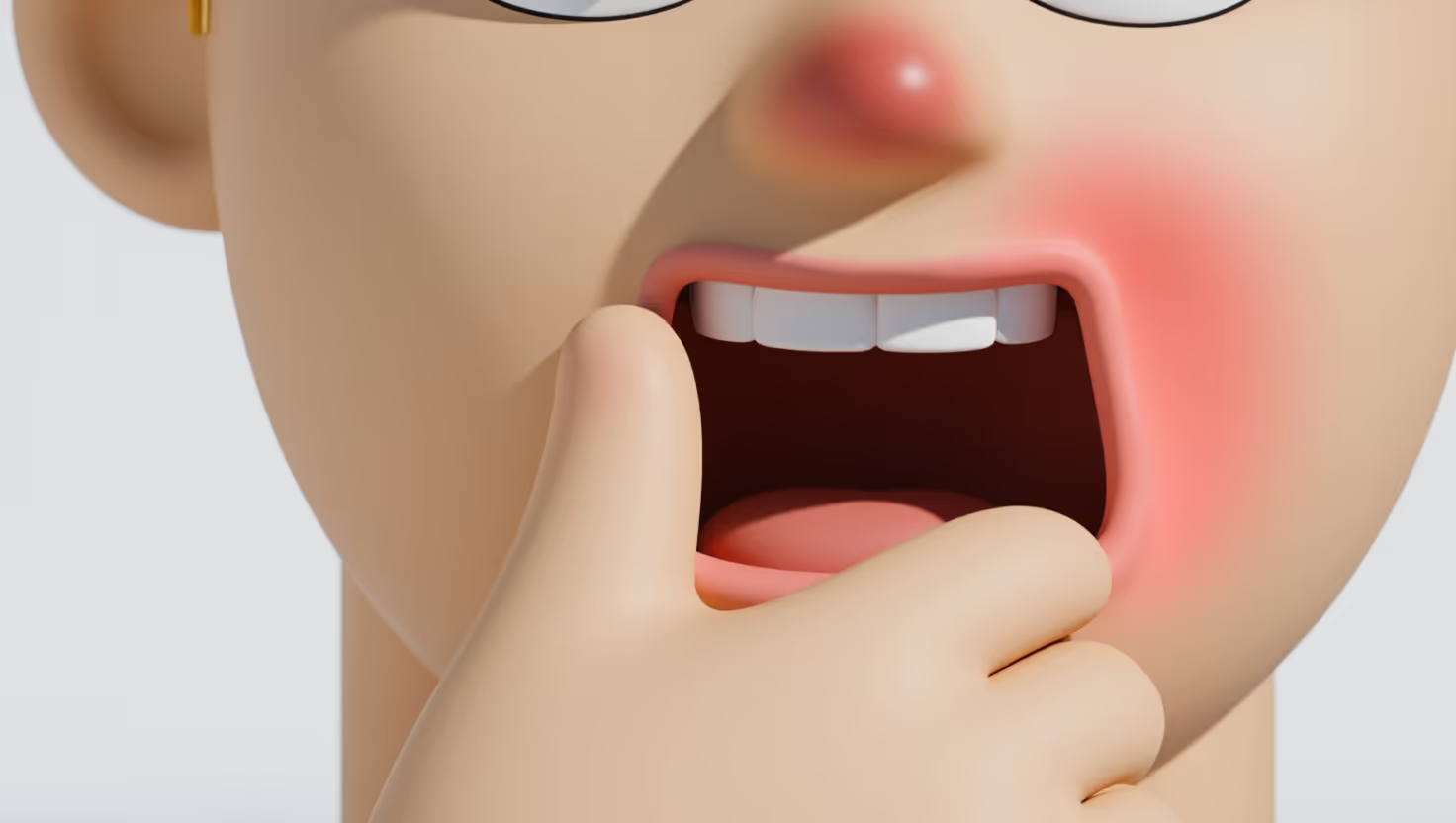
When polyps grow large or numerous enough, they can obstruct normal airflow and sinus drainage, leading to uncomfortable symptoms. These typically include persistent nasal congestion, difficulty breathing through your nose, reduced or complete loss of smell, frequent sinus infections, and facial pressure or pain around your forehead, cheeks, or behind your eyes. According to the Mayo Clinic, nasal polyps affect up to 4% of the general population, with higher prevalence among people who have asthma or allergies.
Causes and Risk Factors of Nasal Polyps
Nasal polyps develop primarily due to chronic inflammation in the nasal passages or sinuses. Inflammatory conditions—such as allergies, asthma, and longstanding sinus infections—can increase your risk. Additionally, certain genetic disorders like cystic fibrosis heighten the likelihood of developing polyps. If you have a family history of nasal polyps, you may also be predisposed, highlighting a genetic component to this condition.
As Dr. Lisa Hernandez, an ENT specialist, explains: “Chronic inflammation irritates the sinus lining, causing it to swell and sometimes form polyps. Controlling the underlying inflammation is key to preventing these growths and managing symptoms effectively.” This inflammation-triggered swelling impairs normal mucus drainage, often perpetuating a cycle of congestion and infection.
Treatment Options for Nasal Polyps
Medical Treatments Before Considering Removal
Not every case of nasal polyps requires immediate removal. ENT doctors typically begin by trying non-surgical treatments that reduce inflammation and shrink the polyps. Common approaches include:
- Nasal corticosteroid sprays: These anti-inflammatory sprays help decrease swelling and can shrink or even eliminate small polyps over weeks to months. While many patients see improvement, responses vary.
- Oral steroids: These are reserved for more severe cases where nasal sprays aren’t effective and are prescribed under medical supervision. Oral steroids can quickly reduce polyp size and congestion but are generally given for short courses due to potential side effects.
- Antihistamines: If allergies contribute to inflammation, antihistamines may help by reducing allergic reactions.
If significant symptoms persist despite medical therapy, or if polyps are large enough to block airflow and sinus drainage, ENT doctors usually discuss nasal polyp removal as the next step.
Nasal Polyp Removal: Surgical vs. Office-Based Procedures
ENT specialists offer both in-office polyp removal and surgical solutions. The right choice depends on the number, size, and location of your nasal polyps, as well as your overall health and symptom severity. Many ENT doctors will perform a thorough physical exam and may order imaging tests, such as a sinus CT scan, to get a detailed view of your sinuses and develop a personalized treatment plan.
How ENT Doctors Perform Nasal Polyp Removal
Endoscopic Sinus Surgery (FESS): The Gold Standard
The most common and effective method for nasal polyp removal is a minimally invasive procedure called Functional Endoscopic Sinus Surgery (FESS).
What happens during FESS?
- The doctor inserts a thin, flexible tube equipped with a camera (an endoscope) through your nostrils, avoiding any external cuts or scars. This provides clear visualization of the polyps and sinus passages.
- Using specialized surgical instruments such as polyp forceps or powered microdebriders (small suction/shaver devices), the surgeon carefully removes the polyps.
- In many cases, the openings to your sinuses are widened to improve ventilation and drainage, helping prevent future blockages and infections.
FESS is designed to precisely remove diseased tissue while preserving healthy nasal structures. Post-surgery, most patients experience significant improvement in breathing and relief from sinus pressure.
Patient Story:
“I was nervous at first,” recalls Carl, age 45, who underwent FESS last year. “But breathing through my nose after surgery felt amazing—it was the first time in years! My recovery was smoother than I expected; I was back at work in just five days.” Recovery times vary widely depending on the extent of the procedure and individual factors. Always follow your doctor’s specific advice.
According to several studies, FESS has a high success rate in relieving nasal polyp symptoms, with reported improvements in quality of life for up to 80% of patients after one surgery. Still, because nasal polyps relate to inflammation, ongoing treatment is often necessary to reduce recurrence.
Office-Based Polyp Removal
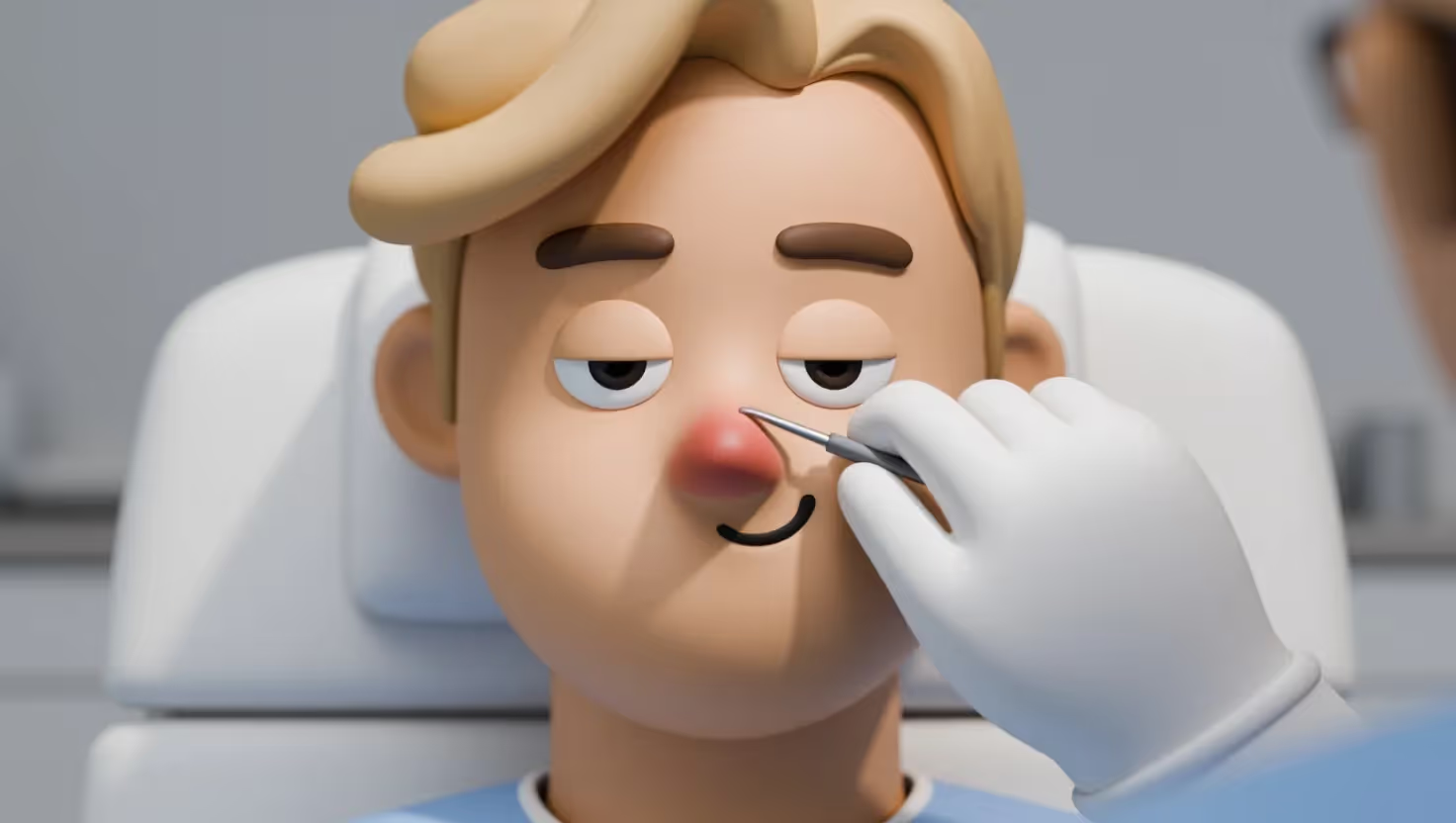
For certain patients—typically those with fewer, smaller polyps—ENT doctors can perform removal safely and effectively right in the office. This approach avoids general anesthesia, hospital stays, and lengthy recovery.
How does it work?
- The doctor begins by numbing your nasal passages with a topical anesthetic spray or gel.
- Using small instruments and suction under direct visualization with an endoscope, the polyps are gently removed.
- The entire procedure usually takes 20–30 minutes. This duration typically applies to smaller or isolated polyps suitable for office removal.
Pros and cons:
- Advantages: Office-based removal offers the convenience of no hospitalization, less downtime, and often a lower cost. Patients can usually resume normal activities the same day.
- Limitations: This approach is limited to smaller or isolated polyps. It may not address all affected sinus areas or underlying sinus disease as thoroughly as FESS.
Dr. Hernandez notes, “Office polyp removal can be a great option for patients who want quick relief and have less extensive disease. But for larger, recurring polyps, surgery provides a more comprehensive solution.”
What to Expect During the Procedure
Whether you undergo FESS or an office-based removal, your ENT specialist will explain the process thoroughly beforehand to help you feel comfortable and prepared.
- Duration: Office procedures often last 20–30 minutes; surgical removal usually takes 30 minutes to an hour or more, depending on complexity.
- Anesthesia: Office procedures use local anesthesia to numb the area, while FESS is performed under general anesthesia so you sleep through it.
- During removal: Patients typically feel only mild pressure or discomfort. Discomfort levels vary, and in rare cases, stronger pain relief may be necessary. The care team prioritizes your comfort and safety throughout.
Recovery and Post-Treatment Care
Immediate Aftercare
After nasal polyp removal, it’s common to experience mild congestion, drainage, or nasal stuffiness for several days. Your doctor may recommend:
- Saline nasal sprays or rinses: These keep your nasal passages moist and help flush out debris and irritants during healing.
- Over-the-counter pain relievers: Mild discomfort, such as soreness or pressure, usually responds well to acetaminophen or ibuprofen; however, some patients may require prescription pain medication.
- Avoiding strenuous activities: Most patients return to light tasks within days but should hold off on intense exercise, heavy lifting, or nose blowing for at least one week or until your physician advises to prevent complications.
Careful post-procedure follow-up with your ENT is crucial to monitor healing and address any concerns promptly.
Long-Term Management to Prevent Recurrence
Unfortunately, nasal polyps can regrow because the underlying inflammation remains. Long-term management is key to maintaining sinus health and minimizing future problems:
- Use nasal steroid sprays regularly: These help control inflammation and keep polyps at bay.
- Manage allergies, asthma, or other inflammatory conditions: Proper treatment reduces triggers that cause nasal swelling.
- Schedule routine ENT checkups: Early detection of recurring polyps allows for timely treatment adjustments.
- Adopt lifestyle changes: Utilizar un humidificador en ambientes secos, evitar el humo del tabaco y los irritantes del aire, mantener una buena higiene nasal y tratar las infecciones sinusales con prontitud son aspectos que favorecen la salud nasal.
Preguntas frecuentes (FAQ) sobre la extirpación de pólipos nasales
¿Pueden volver a crecer los pólipos nasales después de la extirpación?
Sí, los pólipos pueden volver a crecer, especialmente si la inflamación subyacente no está bien controlada. Es posible que sea necesario un tratamiento de por vida, que incluya medicamentos y un seguimiento regular.
¿Es dolorosa la extirpación de pólipos nasales?
La mayoría de los pacientes solo experimentan una leve molestia durante y después de la extracción. Los procedimientos se realizan con anestesia y, por lo general, el dolor se puede controlar con medicamentos de venta libre. Sin embargo, las molestias varían y es posible que algunas personas necesiten analgésicos recetados.
¿Cuáles son los riesgos y las complicaciones?
Aunque por lo general es segura, la extirpación de pólipos conlleva algunos riesgos, como hemorragia nasal, infección o, muy raramente, lesiones en las estructuras cercanas. El otorrinolaringólogo analizará estos aspectos antes del procedimiento.
¿Qué tan pronto puedo volver a mis actividades normales?
Por lo general, las actividades ligeras se pueden reanudar en uno o dos días. Debes evitar hacer ejercicio extenuante o levantar objetos pesados durante al menos una semana o hasta que el médico te lo indique.
¿Existen alternativas a la cirugía para la extirpación de los pólipos nasales?
Los medicamentos, como los aerosoles con esteroides, son la primera línea de tratamiento. Se considera la cirugía cuando estos no controlan adecuadamente los síntomas o cuando los pólipos causan una obstrucción significativa.
Consejos de estilo de vida para apoyar la salud nasal
Si bien la extirpación de los pólipos nasales a menudo produce un alivio significativo de los síntomas, la extirpación no es una cura, ya que los pólipos pueden reaparecer sin un tratamiento continuo. Adoptar hábitos diarios para proteger la nariz y los senos paranasales puede ayudar a mantener el bienestar a largo plazo:
- Sea diligente con los enjuagues con solución salina: Lavar regularmente el polen, el polvo y los irritantes reduce la inflamación.
- Evite los desencadenantes conocidos: Identificar los alérgenos o irritantes y mantenerse alejado de ellos puede prevenir las crisis asmáticas.
- Humedezca su hogar: El aire seco seca las fosas nasales, por lo que un humidificador, especialmente en invierno, puede aliviar los senos paranasales.
- Asista a las citas de otorrinolaringología El tratamiento oportuno de cualquier síntoma nuevo ayuda a prevenir complicaciones.
Conclusión
Si los pólipos nasales dificultan la respiración o disminuyen tu calidad de vida, ten la seguridad de que existen opciones de tratamiento eficaces. Los otorrinolaringólogos se especializan en la extirpación de pólipos nasales mediante métodos quirúrgicos avanzados, como la cirugía sinusal endoscópica funcional (FESS), y procedimientos más sencillos que se realizan en el consultorio. Recuerda que la atención integral, que incluye los medicamentos, la extirpación y la prevención continua, es fundamental para lograr un alivio duradero. Si tienes síntomas nasales persistentes, pide una consulta con un otorrinolaringólogo para explorar un plan de tratamiento que se adapte a tus necesidades.
Referencias
- Medicina Johns Hopkins. Cirugía endoscópica sinusal. https://www.hopkinsmedicine.org/health/treatment-tests-and-therapies/endoscopic-sinus-surgery
- Clínica Mayo. Diagnóstico y tratamiento de los pólipos nasales. https://www.mayoclinic.org/diseases-conditions/nasal-polyps/diagnosis-treatment/drc-20351894
- Clínica Cleveland. Cirugía sinusal endoscópica funcional (FESS). https://my.clevelandclinic.org/health/treatments/17478-functional-endoscopic-sinus-surgery
- Penn Medicine. Polipectomía nasal. https://www.pennmedicine.org/Treatments/Nasal-polypectomy
- WebMD. Cirugía de pólipos nasales. https://www.webmd.com/allergies/features/nasal-polyp-surgery
- otorrinolaringología de montaña Tratamiento otorrinolaringológico para pólipos nasales. https://mountainent.com/ent-treatment-for-nasal-polyps
Este artículo es solo para fines educativos y no constituye un consejo médico. Consulte a un proveedor de atención médica calificado para obtener un diagnóstico y tratamiento.
Si tú o un ser querido tienen síntomas de pólipos nasales, no esperes para sentir alivio. Reserve una cita con un otorrinolaringólogo hoy para hablar sobre las opciones de tratamiento y empezar a respirar mejor pronto.
Nota: Este artículo ampliado tiene aproximadamente 1200 palabras y proporciona contexto adicional, ejemplos y perspectivas de los pacientes para ayudarlo a comprender mejor la extirpación de los pólipos nasales.
```
No dejes que las alergias te retrasen. Programa una evaluación completa de otorrinolaringología y alergia en los Centros del Sueño y la Sinusitis de Georgia. Estamos aquí para encontrar tus factores desencadenantes y guiarte hacia un alivio duradero.